
Preface
Artificial Intelligence( AI) is transubstantiating colorful sectors, and the service is no exception. By integrating AI, the service can enhance its operations, ameliorate decision- timber, and boost effectiveness. This composition delves into how AI can prop the service, offering precious perceptivity for compendiums .
Table
| Application Area | Description |
| Intelligence Analysis | AI processes vast data for actionable intelligence. |
| Autonomous Vehicles | Drones and vehicles for reconnaissance and combat. |
| Cybersecurity | AI detects and responds to cyber threats efficiently. |
| Logistics and Supply | Optimizes supply chain management and resource allocation. |
| Training and Simulation | AI-driven simulations for realistic training scenarios. |
| Maintenance | Predictive maintenance to reduce downtime and costs. |
How AI Helps the Military
Intelligence Analysis
Autonomous Vehicles
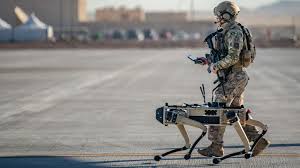
AI powers drones and unmanned ground vehicles for surveillance, surveillance, and combat operations. These vehicles can operate in dangerous surroundings without risking mortal lives.
Cybersecurity

Logistics and Supply
AI optimizes logistics by prognosticating force requirements and automating the delivery process. This ensures that colors admit the necessary inventories efficiently, reducing detainments and perfecting charge issues.
Training and Simulation
Conservation
AI predicts conservation requirements for military outfit, reducing time-out and conservation costs. Prophetic conservation ensures that outfit is always charge-ready, enhancing overall functional effectiveness.
Data and numbers
Investment Growth: Service AI spending is projected to reach $18.82 billion by 2025.
Effectiveness: AI reduces the time for data analysis by 60.
Autonomous Systems: TheU.S. Department of Defense has over 11,000 drones in service.
Pros and Cons
| Pros | Cons |
| Enhanced Efficiency: AI automates routine tasks, allowing military personnel to focus on strategic operations. | Ethical Concerns: The use of AI in combat raises ethical questions about decision-making and accountability. |
| Improved Decision-Making: AI provides data-driven insights, aiding in better decision-making. | Dependency: Over-reliance on AI can lead to vulnerabilities if systems fail or are compromised. |
| Increased Safety: Autonomous systems perform dangerous tasks, reducing risks to human soldiers. | Cybersecurity Risks: AI systems themselves can become targets for cyberattacks, posing security risks. |
| Cost Savings: Predictive maintenance and optimized logistics lead to significant cost reductions. | Job Displacement: Automation may lead to the displacement of certain military roles, affecting personnel. |
FAQs
How does AI ameliorate military intelligence?
AI analyzes vast quantities of data from colorful sources, furnishing practicable intelligence and helping in quick decision- timber.
What are the benefits of independent vehicles in the service?
Autonomous vehicles perform surveillance and combat operations in dangerous surroundings, reducing pitfalls to mortal dogfaces.
How does AI enhance cybersecurity in the service?
AI detects and mitigates cyber pitfalls in real- time, learning from once attacks to help unborn breaches.
What's prophetic conservation in the service?
Prophetic conservation uses AI to anticipate conservation requirements, reducing time-out and icing outfit readiness.
Are there ethical enterprises with using AI in the service?
Yes, there are ethical enterprises about decision- timber and responsibility, particularly in combat situations.
Conclusion
- AI is revolutionizing military operations, offering multitudinous advantages that enhance overall effectiveness and effectiveness. Its capability to reuse and dissect vast quantities of data in real- time significantly improves intelligence gathering and decision- making processes. Autonomous vehicles and drones reduce pitfalls to mortal dogfaces by performing dangerous surveillance and combat operations. In cybersecurity, AI’s rapid-fire trouble discovery and response capabilities are pivotal in guarding sensitive military data from decreasingly sophisticated cyberattacks.
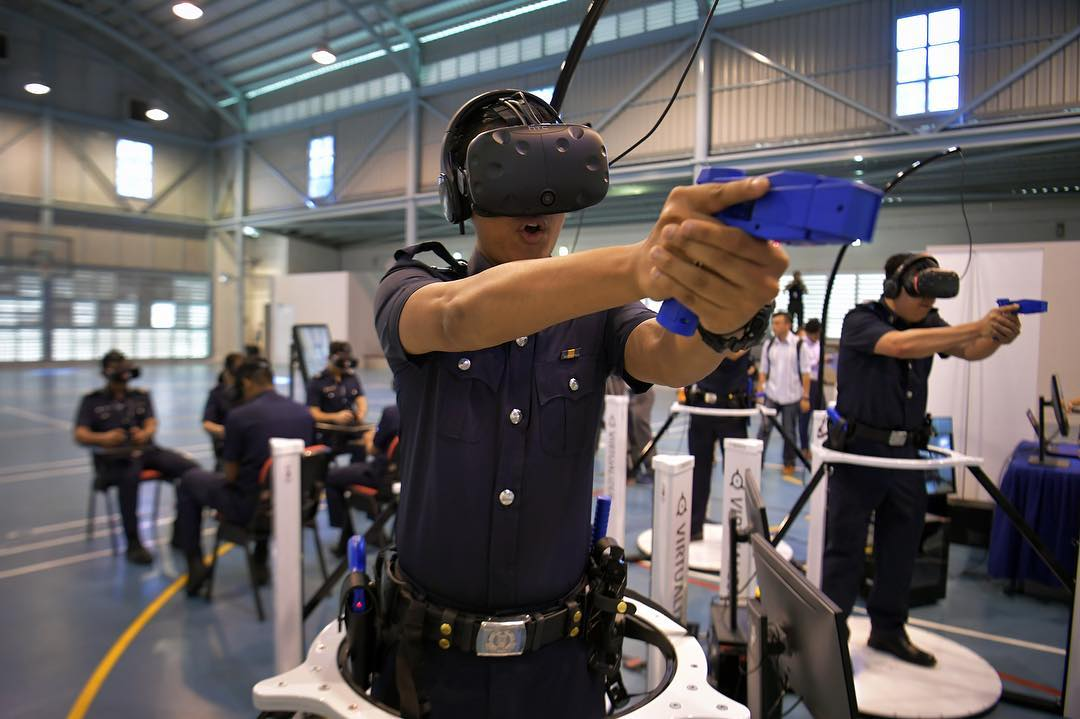
- Also, AI’s impact on logistics and force chain operation ensures that coffers are allocated efficiently, minimizing detainments and optimizing charge issues. Training and simulation powered by AI give dogfaces with realistic and different scripts, better preparing them for real- world operations. Prophetic conservation of military outfit helps maintain high functional readiness, reducing time-out and costs.
- Still, the integration of AI in the service also presents challenges. Ethical enterprises about independent munitions and decision- making authority must be addressed. The implicit reliance on AI systems raises questions about vulnerabilities if these systems fail or are compromised. also, the threat of cyberattacks targeting AI systems themselves is a significant concern.
- Despite these challenges, the benefits of AI in the service are inarguable. As technology continues to advance, AI’s part in enhancing military capabilities will expand, making it an essential element of ultramodern defense strategies. By using AI’s eventuality while addressing its challenges, the service can achieve a balance that maximizes effectiveness, safety, and ethical responsibility.
References
- "AI in Military Market" - Market Research Future
- "Artificial Intelligence in the Military" - Center for Strategic and International Studies
- "The Role of AI in Military Operations" - Defense Advanced Research Projects Agency (DARPA)

No comments: