
Artificial General Intelligence in Healthcare: Revolutionizing the Future of Medicine
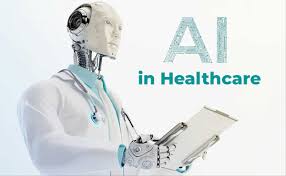 |
| "The future of healthcare is AI-powered." |
Table of Contents
- Introduction to Artificial General Intelligence
- AGI in Healthcare: Unlocking New Possibilities
- Improving Diagnosis and Treatment Accuracy
- Enhancing Drug Discovery and Development
- Streamlining Clinical Trials and Research
- Personalized Medicine and Precision Healthcare
- Augmenting Healthcare Professionals
- Challenges and Ethical Considerations
- The Future of AGI in Healthcare
- Pros and Cons
- Conclusion
- FAQs
- References
Introduction to Artificial General Intelligence
Artificial General Intelligence (AGI) is a hypothetical form of AI that possesses human-like cognitive abilities, allowing it to tackle a wide range of tasks and problems with flexibility and adaptability. Unlike narrow AI, which is designed for specific applications, AGI has the potential to learn, reason, and solve problems in a more comprehensive and generalized manner, much like the human mind.
AGI in Healthcare: Unlocking New Possibilities
The integration of AGI into healthcare presents numerous opportunities to revolutionize the way we approach medical challenges. AGI-powered systems can analyze vast amounts of medical data, identify patterns, and generate insights that could lead to groundbreaking advancements in various areas of healthcare.
Improving Diagnosis and Treatment Accuracy
AGI-driven systems can analyze patient data, medical imaging, and laboratory results with unprecedented speed and precision, enabling more accurate and earlier disease detection. This can lead to faster and more personalized treatment plans, improving patient outcomes and reducing healthcare costs.
Enhancing Drug Discovery and Development
AGI can accelerate the drug discovery process by simulating molecular interactions, predicting drug efficacy, and identifying potential side effects more efficiently. This can significantly reduce the time and costs associated with bringing new medications to market.
Streamlining Clinical Trials and Research
AGI can assist in the design and execution of clinical trials, optimizing patient recruitment, monitoring, and data analysis. This can lead to more efficient and cost-effective clinical research, ultimately accelerating the development of new treatments and therapies.
Personalized Medicine and Precision Healthcare
By integrating AGI into healthcare, practitioners can develop highly personalized treatment plans based on an individual's genetic profile, medical history, and real-time health data. This precision approach can improve patient outcomes and reduce the risk of adverse reactions.
Augmenting Healthcare Professionals
AGI-powered tools can assist healthcare professionals in various tasks, such as automated documentation, treatment planning, and decision-making support. This can help healthcare providers focus on delivering high-quality patient care while improving overall efficiency and productivity.
Challenges and Ethical Considerations
The integration of AGI in healthcare raises important ethical and practical considerations, such as data privacy, algorithm transparency, and the potential for job displacement among healthcare workers. Addressing these challenges through robust governance and ethical frameworks will be crucial for the responsible development and deployment of AGI in the healthcare sector.
The Future of AGI in Healthcare
As the field of AGI continues to evolve, the healthcare industry is poised to reap the benefits of this transformative technology. The synergy between AGI and healthcare has the potential to revolutionize disease prevention, diagnosis, treatment, and patient outcomes, ultimately leading to a more efficient, personalized, and accessible healthcare system.
Pros and Cons
| Pros | Cons |
| Enhanced Diagnostic Accuracy | Concerns about Data Privacy and Security |
| Improved Treatment Personalization | Potential for Algorithm Bias and Lack of Transparency |
| Accelerated Drug Discovery and Development | Integration Challenges with Existing Healthcare Systems |
| Increased Operational Efficiency and Cost Savings | Ethical Considerations around Autonomous Decision-making |
| Expanded Access to High-Quality Healthcare | Impact on Healthcare Workforce and Job Displacement |
| Continuous Learning and Adaptation to Changing Needs | Regulatory Uncertainty and Lack of Established Frameworks |
| Reduced Human Error and Improved Patient Outcomes | Public Skepticism and Trust Issues |
| Scalable and Consistent Decision-making Capabilities | Significant Upfront Costs and Investment Requirements |
| Enhanced Monitoring and Early Intervention Capabilities | Potential Unintended Consequences and Unforeseen Risks |
| Improved Resource Allocation and Utilization | Concerns about Liability and Accountability |
Conclusion
- Artificial General Intelligence (AGI) presents a transformative opportunity for the healthcare industry, with the potential to revolutionize various aspects of medical care. As we delve deeper into the integration of AGI in healthcare, the prospects for improved patient outcomes, enhanced efficiency, and cost-effective solutions become increasingly compelling.
- One of the most promising applications of AGI in healthcare is its ability to enhance diagnosis and treatment accuracy. By leveraging the power of data analysis and pattern recognition, AGI-driven systems can identify subtle nuances and uncover insights that may elude even the most experienced human clinicians. This can lead to earlier disease detection, more personalized treatment plans, and ultimately, better patient prognosis.
- Moreover, AGI can significantly accelerate the drug discovery and development process. Through advanced simulations and predictive modeling, AGI can help identify promising drug candidates, assess their efficacy and potential side effects, and streamline the clinical trial process. This can result in faster and more cost-effective introduction of new and innovative therapies to the market.
- The integration of AGI in healthcare also holds immense potential for personalized medicine and precision healthcare. By analyzing an individual's genetic profile, medical history, and real-time health data, AGI-powered systems can tailor treatment plans to the unique needs and characteristics of each patient. This personalized approach can improve patient outcomes, reduce the risk of adverse reactions, and enhance the overall quality of care.
- While the benefits of AGI in healthcare are substantial, it is crucial to address the ethical and practical challenges that arise with the implementation of this technology. Ensuring data privacy, algorithm transparency, and the responsible integration of AGI into the healthcare workforce are essential steps in realizing the full potential of this transformative technology.
- As the field of AGI continues to evolve, the healthcare industry must remain at the forefront of innovation, embracing the opportunities presented by this technology while navigating the complexities and uncertainties that come with it. By doing so, the healthcare sector can unlock a future where personalized, efficient, and high-quality care becomes the norm, ultimately improving the lives of patients and transforming the landscape of modern medicine.
FAQs
What is Artificial General Intelligence (AGI)?
AGI refers to a hypothetical form of AI that possesses human-like cognitive abilities, allowing it to tackle a wide range of tasks and problems with flexibility and adaptability.
How can AGI be applied in the healthcare industry?
AGI can be applied in various areas of healthcare, including improving diagnosis and treatment accuracy, enhancing drug discovery and development, streamlining clinical trials and research, enabling personalized medicine and precision healthcare, and augmenting the work of healthcare professionals.
What are the potential challenges and ethical considerations of using AGI in healthcare?
Key challenges and ethical considerations include data privacy, algorithm transparency, and the potential for job displacement among healthcare workers. Addressing these concerns through robust governance and ethical frameworks is crucial for the responsible development and deployment of AGI in healthcare.
What is the future outlook for AGI in healthcare?
The integration of AGI in healthcare holds immense promise, with the potential to revolutionize disease prevention, diagnosis, treatment, and patient outcomes. As the technology continues to evolve, the synergy between AGI and healthcare will become increasingly vital in shaping the future of medicine.
References
- Brundage, M., Avin, S., Wang, J., Belfield, H., Krueger, G., Hadfield, G., ... & Anderljung, M. (2020). Toward trustworthy AI development: mechanisms for supporting verifiable claims. ArXiv preprint arXiv:2004.07213.
- Esteva, A., Kuprel, B., Novoa, R. A., Ko, J., Swetter, S. M., Blau, H. M., & Thrun, S. (2017). Dermatologist-level classification of skin cancer with deep neural networks. Nature, 542(7639), 115-118.
- Kaplan, A., & Haenlein, M. (2019). Siri, Siri, in my hand: Who's the fairest in the land? On the interpretations, illustrations, and implications of artificial intelligence. Business Horizons, 62(1), 15-25.
- Mukherjee, S. (2016). The gene: An intimate history. Simon and Schuster.
- Stern, A. D. (2020). Technology, innovation, and plan design: why healthcare is different. The Milbank Quarterly, 98(2), 508-563.

No comments: