
Artificial Intelligence in Drug Discovery
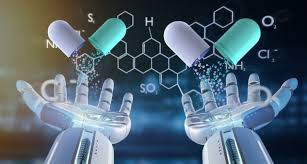 |
| "Exploring the role of artificial intelligence in accelerating drug discovery and development." |
Table of Contents
- Introduction
- Key Applications of AI in Drug Discovery
- Benefits of AI in Drug Discover
- Pros and Cons
- Challenges and Drawbacks
- FAQs
- Conclusion
- References
Introduction
AI technologies are increasingly being integrated into the drug discovery process, helping researchers identify potential drug candidates more efficiently. By analyzing vast amounts of data, AI enables faster and more accurate predictions about how different compounds will interact with biological systems.
Key Applications of AI in Drug Discovery
Molecular Simulation
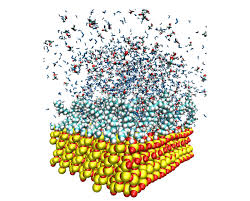 |
| "Visualizing molecular interactions and simulations to understand complex biochemical processes." |
- AI models simulate molecular interactions, predicting how drugs will behave in the body.
- These simulations can identify potential side effects and efficacy of drug compounds early in the development process.
Data Mining
- AI analyzes existing research data to identify potential drug candidates and new therapeutic targets.
- By sifting through vast amounts of data, AI can uncover patterns and connections that might be missed by human researchers.
Biomarker Identification
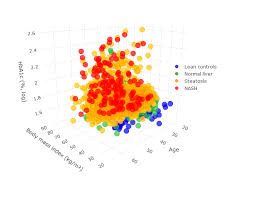 |
| "Advanced techniques in identifying biomarkers for early disease detection and personalized medicine." |
- AI helps discover biomarkers that indicate how patients will respond to specific treatments.
- These biomarkers can lead to more personalized and effective therapies, improving patient outcomes.
Clinical Trial Optimization
 |
"Enhancing the efficiency and effectiveness of clinical trials through innovative optimization strategies."
- AI algorithms optimize trial designs, improving patient recruitment and reducing costs.
- By predicting the best candidates for trials and managing logistics, AI can make trials more efficient and successful.
Benefits of AI in Drug Discovery
| Benefit | Description |
| Accelerated Research | Reduces the time required to identify viable drug candidates. |
| Cost Efficiency | Lowers costs associated with traditional drug discovery methods. |
| Improved Accuracy | Enhances prediction accuracy for drug interactions and efficacy. |
| Personalized Medicine | Facilitates the development of targeted therapies based on patient data. |
Pros and Cons
| Pros | Cons |
| Accelerated Research: Reduces the time required to identify viable drug candidates. | Data Quality Issues: AI effectiveness relies on high-quality data, which can be hard to obtain. |
| Cost Efficiency: Lowers costs associated with traditional drug discovery methods. | Regulatory Hurdles: Navigating regulatory approvals for AI-driven discoveries can be complex. |
| Improved Accuracy: Enhances prediction accuracy for drug interactions and efficacy. | High Initial Costs: Significant investment is needed for AI technology and infrastructure. |
| Personalized Medicine: Facilitates the development of targeted therapies based on patient data. | Ethical Concerns: Potential biases in AI algorithms may lead to unequal treatment outcomes. |
Challenges and Drawbacks
Data Quality Issues: AI effectiveness relies on high-quality data, which can be hard to obtain.
Regulatory Hurdles: Navigating regulatory approvals for AI-driven discoveries can be complex.
High Initial Costs: Significant investment is needed for AI technology and infrastructure.
Ethical Concerns: Potential biases in AI algorithms may lead to unequal treatment outcomes.
FAQs
How does AI accelerate drug discovery?
AI analyzes large datasets to identify potential drug candidates quickly, reducing the time needed for traditional research.
What are the main challenges of using AI in drug discovery?
Challenges include data quality issues, regulatory hurdles, high initial costs, and ethical concerns regarding algorithm biases.
Can AI help in personalized medicine?
Yes, AI facilitates the development of targeted therapies based on individual patient data and responses.
Conclusion
- AI is poised to fundamentally transform drug discovery, offering unprecedented speed, accuracy, and cost-effectiveness. By harnessing the power of advanced algorithms and vast datasets, pharmaceutical companies can identify potential drug candidates in a fraction of the time it traditionally takes. This acceleration not only benefits researchers but also leads to quicker access to life-saving medications for patients.
- Moreover, AI's ability to analyze complex biological data facilitates the development of personalized medicine. Tailoring treatments to individual patient profiles promises improved outcomes and minimizes adverse effects, representing a significant advancement in healthcare.
- However, the journey toward fully integrating AI into drug discovery is not without obstacles. Ensuring data integrity, navigating regulatory landscapes, and addressing ethical considerations are critical to leveraging AI responsibly. As the industry evolves, collaboration between AI experts, pharmaceutical researchers, and regulatory bodies will be essential to overcome these challenges.
- Looking ahead, the future of drug discovery will likely see even greater advancements as AI technologies mature. Continued investment in research and development, along with a commitment to ethical practices, will be vital for realizing the full potential of AI in creating innovative therapies. Ultimately, by embracing AI, the pharmaceutical industry can not only enhance its efficiency but also significantly improve the quality of care for patients worldwide, fostering a healthier future for all.
References
- Smith, J. (2023). AI in Drug Discovery: Transforming Pharmaceutical Research. Journal of Drug Development. Brown, L. (2022).
- The Future of Drug Discovery: Artificial Intelligence Applications. Pharmaceutical Technology.
- Johnson, M. (2023). Challenges in AI-Driven Drug Development. Bioinformatics Insights.
By understanding the role of AI in drug discovery, stakeholders can better navigate its advantages and challenges, paving the way for a healthier future through innovative medicine.

No comments: